Emergency rubbish clearance in Holland Park common problems and solutions
Posted on 08/07/2026
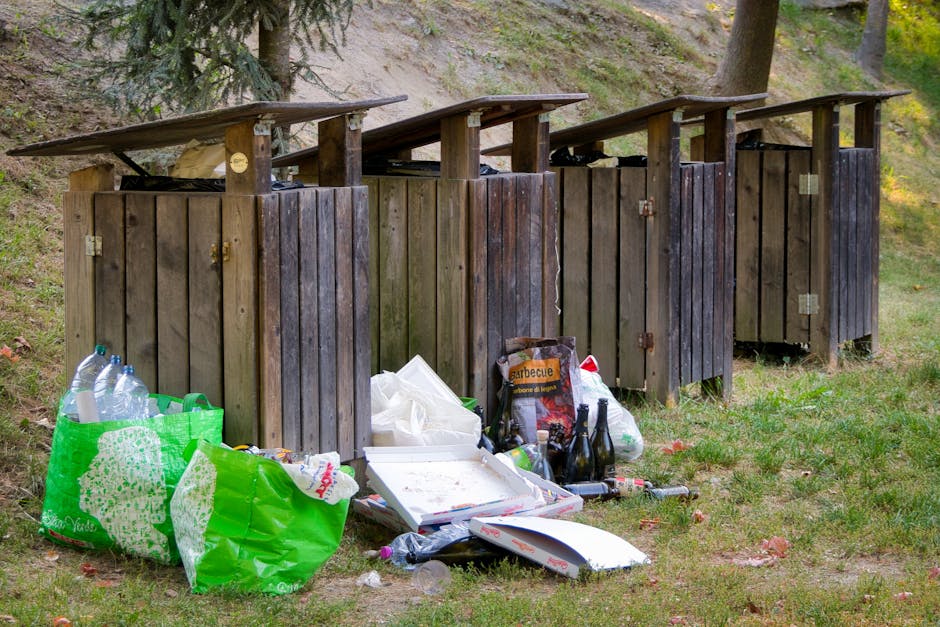
When rubbish piles up suddenly, it rarely happens at a convenient time. A smashed wardrobe blocks the hallway, builders leave debris after a late finish, or a tenant move-out turns into a messy surprise by Friday afternoon. That is exactly where emergency rubbish clearance in Holland Park comes in: quick, practical help for the jobs that cannot wait until next week. In this guide, we break down the most common problems, what usually causes them, and the sensible solutions that actually work in real homes, flats, shops and managed buildings.
Truth be told, emergency clearance is not just about speed. It is about making a space safe, usable and compliant again without creating a second headache. So if you are dealing with bulky items, mixed waste, access issues, or a last-minute deadline, you will find a calm, step-by-step way through it here. No fluff. Just useful guidance.
Why Emergency rubbish clearance in Holland Park common problems and solutions Matters
In a place like Holland Park, space is valuable and timing matters. A corridor filled with bagged waste, a skipped builders' tidy-up, or an old sofa stuck in the front garden can quickly become more than an inconvenience. It can block access, upset neighbours, attract pests, and create a poor impression for anyone coming through the door. If you rent out property, manage a business, or are preparing a sale, delays can become expensive in a hurry.
The local reality is fairly simple: people in W11 often need rubbish removed now, not after several days of back-and-forth. That urgency can come from a house clearance, a refurbishment, a broken appliance, or a bulky item that never made it into the usual collection routine. Emergency clearance matters because it restores order fast, but it also reduces risk. Loose debris on a stairwell is a trip hazard. A leaking fridge can become a hygiene issue. A pile of mixed waste can make a property look uncared for, even when the problem is temporary.
If you are trying to understand the wider service landscape first, the services overview gives a useful picture of how different clearance types fit together. And if your situation is linked to a larger move, renovation or property reset, you may also find the broader background in this local Holland Park guide helpful for context.
How Emergency rubbish clearance in Holland Park common problems and solutions Works
Emergency rubbish clearance is usually a same-day or fast-response collection arranged around the size, type and access conditions of the waste. In plain English, you contact a clearance team, explain what needs removing, and they assess the load, the access, and any special handling required. Then they arrive with the right vehicle, enough labour, and the practical kit needed to get the job done safely.
That sounds straightforward, and often it is. But the details matter. A single bulky item may take only a few minutes. A mixed load from a flat after a move-out might take longer because there are stairs, parking limits, and different waste types to separate. A builder's load can be heavy, dusty and awkward, which changes the method completely. Emergency work is less about a dramatic rush and more about quick planning under pressure. Not glamorous, but very effective when done well.
Where relevant, a good provider will also consider recycling and disposal routes before loading everything onto the vehicle. That is where the difference between a careless clearance and a proper service really shows. If you want to see how responsible handling fits into the picture, the page on recycling and sustainability is worth a look. For broken appliances or a fridge that has stopped behaving itself with the patience of a toddler, the dedicated white goods and appliance disposal service can be especially relevant.
Typical emergency workflow
- You describe the rubbish and the urgency.
- The team estimates labour, access and vehicle needs.
- A time slot is arranged, often same day where possible.
- The crew removes items, sorting reusable and recyclable materials where practical.
- The area is left clear and swept through if needed.
Simple, yes. But only if the right questions are asked at the start.
Key Benefits and Practical Advantages
The biggest benefit is obvious: speed. If a property needs to be cleared before a handover, inspection, delivery, or viewing, rapid removal saves time and stress. But there are other advantages that people sometimes overlook. Emergency clearance can also reduce the chance of injury, help you avoid complaints from neighbours, and stop a small problem from becoming a much messier one.
Another practical benefit is flexibility. Not every job in Holland Park is a neat pile of bin bags waiting by the kerb. Some are awkward corner jobs in basement flats, some are office clear-outs, and some are half-finished clearances after a renovation ran over schedule. A good response can adapt to those awkward details instead of forcing you into a one-size-fits-all approach.
There is also the emotional side, which people rarely mention but absolutely feel. A cluttered space is draining. You hear it in the background noise of daily life: the clatter of bags by the door, the scrape of a broken table, the smell from something damp that should have been gone yesterday. Clearing it fast can reset the whole mood of a room. Honestly, that matters more than people admit.
For homeowners dealing with a sudden bulky-item problem, the practical advice in the bulky rubbish collection guide can help you think through the options before booking. If you are comparing approaches, you might also find the skip hire versus rubbish removal comparison useful, especially if space is tight outside your property.
Who This Is For and When It Makes Sense
Emergency rubbish clearance is not just for obvious emergencies. It suits anyone who has a pressing time limit or a problem that has become too disruptive to leave in place. In Holland Park, that often includes homeowners, landlords, tenants, estate agents, facilities teams, local businesses, and tradespeople. Different people, same basic need: move the waste quickly and properly.
It makes particular sense when the rubbish is affecting how the property is used. If a hallway is blocked, if a shop rear yard is becoming unusable, or if building debris is preventing the next phase of work, waiting for a standard collection can feel like stalling in traffic with the handbrake on. No one wants that.
Here are common situations where emergency clearance tends to be the right call:
- End-of-tenancy or inventory deadlines
- Post-renovation or builder's waste left behind
- Furniture or appliance removal before delivery day
- Commercial premises needing a fast reset
- Garden waste that has become unmanageable after a big tidy-up
- House clearance jobs with a fixed move-out date
If the issue is domestic rather than commercial, the domestic waste collection in Holland Park page is a natural fit. For larger property resets, house clearance support can be the more suitable route. And if the problem comes from ongoing work on site, look at builders' waste removal instead of forcing mixed waste into a general collection. That little distinction saves a lot of faff later.
Step-by-Step Guidance
If you need emergency rubbish clearance in Holland Park, the best results come from a tidy process. Rushing is fine. Guessing is not.
1. Identify exactly what needs removing
Start with a quick walk-through. Separate bulky items, loose waste, sharp materials, heavy items, and anything potentially hazardous. Even a five-minute sort can make a big difference. If you have bags, stack them neatly. If you have furniture, clear a route to them. If you have appliances, unplug them and make sure they are safe to move.
2. Check access before the team arrives
Think about stairs, lifts, narrow hallways, parking restrictions, and whether the item will fit through the door without a wrestling match. Holland Park properties can be elegant, compact and inconvenient all at once. That is just life here, to be fair. If access is tight, tell the clearance team early so they can plan manpower and vehicle positioning properly.
3. Flag anything that needs special handling
Fridges, freezers, TVs, paint tins, broken glass, wet waste and mixed renovation debris may need special attention. The same is true for old furniture that is too damaged to carry safely by hand. If you are unsure, say so. A quick honest description is usually better than trying to sound more organised than you are.
4. Ask for a realistic arrival window
Emergency does not always mean instant. A good same-day service will give you a practical window and explain what could affect timing. If your problem is urgent because a letting agent is arriving, a cleaner is booked, or a delivery truck is already on the way, say that at the start. It helps everyone prioritise properly.
5. Make the load easy to inspect
When the crew arrives, keep the waste visible and separate if possible. That makes it quicker to confirm what is being removed, what can be recycled, and whether anything needs to be left behind. The more straightforward the layout, the smoother the job. There is a reason experienced teams love a well-prepared access path.
6. Confirm where the waste should go
For mixed loads, it is smart to choose a provider with proper waste handling practices. If compliance is important to you - and it should be - check the page on waste carrier licence and compliance. It explains why lawful carriage matters and why "cheap and cheerful" can become expensive if the waste is handled badly.
Expert Tips for Better Results
After enough clearances, a few patterns become obvious. The jobs that go smoothly usually have a little preparation behind them. Nothing fancy. Just common sense, applied early.
- Send photos before booking. A few clear pictures often prevent underestimating the volume.
- Be honest about access. A basement flat with a tight stairwell is not the same as a ground-floor pickup.
- Group items by type. Furniture, appliances, garden waste and builder's debris are easier to assess when separated.
- Leave a clear route. It sounds basic, but it speeds the job up more than people expect.
- Keep valuables and paperwork out of the work area. Emergency clearances are busy and slightly chaotic by nature. Better safe than sorry.
- Ask about recycling before the team starts loading. A responsible service will explain what can be diverted from disposal.
One small but useful tip: if the clearance follows a party, event or rental turnaround, do a fast bin-bag sweep first. You will find stray bottles, packaging and the odd mystery item under chairs, behind radiators, near the skirting board. It happens. Especially after a long Saturday.
For readers dealing with commercial premises or hospitality-adjacent spaces, the commercial waste removal in Holland Park page can help you think through recurring clearance needs rather than one-off panic jobs.

Common Mistakes to Avoid
A lot of clearance stress comes from avoidable mistakes, not the rubbish itself. The biggest one is waiting too long. People look at a growing pile and think, "I'll sort it tomorrow." Then tomorrow turns into Friday, and Friday turns into a very awkward afternoon. It is a classic.
Another common mistake is giving vague descriptions. "A bit of rubbish" could mean two bin bags or two sofas and half a bathroom suite. That gap matters. If you want a smooth booking, be specific about item types and approximate volume.
Here are the traps we see most often:
- Leaving booking until the last minute without checking access
- Mixing everything together and making it hard to assess
- Ignoring heavier items like appliances or furniture that need two people
- Choosing a provider only on price, not on compliance or insurance
- Assuming every waste type can be handled the same way
- Forgetting to remove personal items from cupboards, drawers or shelves
That last one catches people out all the time. Someone clears a wardrobe, then discovers passports, keys, cash envelopes, or old documents were tucked in the back. Not ideal. So do a quick final check before the team starts loading.
If you are reviewing a provider's trust signals, the pages on insurance and safety and about us are sensible places to learn how they approach the work. Small detail, big peace of mind.
Tools, Resources and Recommendations
You do not need specialist equipment to prepare for emergency rubbish clearance, but a few basic tools help. Heavy-duty gloves, bin liners, tape, a torch, a marker pen and a phone camera go a long way. If you are sorting a mixed load, labels are useful too. Put "keep", "clear", and "check" on items or areas so no one has to guess later.
Good resources are less about fancy apps and more about getting the practical information right. A short item list, a few photos, and a rough idea of access conditions can make a quote far more accurate. If you are comparing service types or trying to understand what is included, the pricing and quotes page is a sensible reference point. It is also worth reading the services overview alongside it so you can match the right service to the right problem.
For people who are especially concerned about environmental handling, recycling and sustainability is the page to revisit before booking. It helps set expectations around sorting and disposal, which is especially useful if your load contains a mix of metal, wood, plastic and general waste.
Expert summary: the easiest emergency clearances are the ones where the waste is visible, the access route is clear, and the customer shares honest details early. Fast does not have to mean messy.
Law, Compliance, Standards and Best Practice
Waste removal in the UK is not something to treat casually. You want a provider that works in line with accepted waste handling practice, especially when the load includes mixed rubbish, appliances or construction debris. The key point is simple: waste should go to a legitimate, traceable route, not disappear into a vague "mate with a van" arrangement. That may sound a bit blunt, but it is exactly where problems often begin.
For the customer, best practice means checking that the provider is properly insured, that they can explain how waste is handled, and that they understand the difference between normal household rubbish, bulky items, and regulated waste streams. You do not need to become an expert yourself. You just need enough awareness to ask the right questions.
If your clearance is linked to a business, rental property or renovation, the standards become even more important. A poorly handled clearance can affect neighbours, damage shared areas, and create avoidable issues at handover. When in doubt, choose the more transparent option, not the more mysterious one.
For anyone who likes to compare the practical trade-offs, the article on Kensington and Chelsea council waste rules offers helpful context for understanding local disposal expectations. And if you are weighing method and convenience rather than just speed, the W8 skip hire versus rubbish removal comparison can help you think more clearly about what suits your space.
Options, Methods, or Comparison Table
Not every rubbish problem needs the same solution. Sometimes you need a one-off emergency collection. Sometimes a smaller scheduled pickup is enough. And sometimes a clearance tied to a refurbishment or tenancy change is the right call. The main thing is matching the method to the mess.
| Option | Best for | Strengths | Limitations |
|---|---|---|---|
| Emergency same-day clearance | Urgent, unexpected, or deadline-driven waste | Fast response, minimal disruption, flexible on-site removal | May cost more than routine booking, depends on access and load size |
| Domestic waste collection | Household clutter, bags, small mixed loads | Simple, convenient, good for regular domestic jobs | Less suited to heavy bulky items or extreme urgency |
| Furniture removal | Sofas, wardrobes, beds, tables | Ideal for bulky items, often quicker than DIY disposal | Needs clear access and accurate item descriptions |
| Builders' waste removal | Refurbishment debris, rubble, timber, packaging | Handles heavier and messier loads effectively | Can require more labour and careful sorting |
| Skip hire | Longer projects with space outside | Good for ongoing work and repeat filling | Needs space, permits may be relevant, and access can be awkward |
If the property is tight on frontage space, skip hire can be less convenient than people expect. A skip is not magic. It still has to sit somewhere. For many Holland Park homes and flats, a direct collection is simply easier.

Case Study or Real-World Example
Here is a realistic example from a common Holland Park scenario. A landlord needs a flat cleared after a tenancy ended earlier than expected. The keys are due back to the agent the next morning, but the tenant has left behind a sofa, two chairs, a small fridge, mixed bags of household waste and a broken shelving unit. There is also a narrow stairwell and limited parking. The landlord is stressed, the cleaner is booked, and the viewing photographer is expected later that week.
The sensible response is not to start dragging everything around blindly. First, the items are photographed and listed. Next, the access route is checked so the crew can plan the number of people needed. The fridge is flagged separately because appliances need proper handling. Bags are grouped near the entrance, and fragile or personal items are removed before the team arrives. The clearance itself is then completed quickly, and the flat is left ready for cleaning. Not glamorous, but it saves the handover.
What went well? Clear communication, realistic expectations, and a proper understanding of the load. What would have made it worse? Waiting until the last afternoon, guessing about the item count, or hoping the bulky furniture would somehow vanish by itself. It never does, annoying as that is.
That sort of job is also why estate clearance services for landlords in Holland Park can be so valuable when there is no spare time to improvise.
Practical Checklist
Use this quick checklist before booking an emergency rubbish clearance. It keeps the job tight and avoids the usual last-minute scramble.
- Identify every item or pile that needs removing
- Separate bulky items from loose waste
- Check stairs, lifts, doors and parking access
- Remove valuables, personal documents and medication
- Take a few photos of the load
- Note anything sharp, heavy, wet or hazardous
- Confirm timing and urgency level
- Ask whether recycling or reuse sorting is included
- Check insurance, compliance and payment details
- Make sure the area is safe and easy to reach
If you are dealing with a less urgent but still annoying pile, you may also find the Holland Park Avenue rubbish removal guide useful for planning around a residential setting.
Conclusion
Emergency rubbish clearance in Holland Park is really about one thing: restoring calm quickly without making the situation messier than it already is. The common problems are usually predictable - tight access, bulky items, mixed waste, short deadlines, and uncertainty about what can be removed. The solutions are just as practical: be specific, prepare the space, share photos, and choose a provider that handles the work properly from start to finish.
That approach saves time, reduces stress and keeps your property moving in the right direction. Whether you are dealing with a domestic pile-up, a landlord handover, a post-builder clean-up, or a sudden bulky item problem, the right clearance turns a headache into a short task. And honestly, that feeling of looking at a clear floor again is hard to beat.
Get a free quote today and see how much you can save.