Melbury Road bulky rubbish collection tips and costs
Posted on 28/05/2026
If you live on or near Melbury Road, bulky waste has a way of appearing at exactly the wrong time. A wardrobe that won't fit down the stairs. An old sofa parked in the hallway. Builder's offcuts after a tidy-up that somehow got messier than the original mess. This guide to Melbury Road bulky rubbish collection tips and costs is here to help you deal with it without stress, surprise charges, or a last-minute scramble.
We'll walk through how bulky rubbish collection usually works in West London, what affects the price, how to prepare items properly, and which mistakes tend to make a simple job more expensive. You'll also find a practical checklist, a comparison of disposal options, and a few local-friendly pointers for keeping things neat, compliant, and straightforward. Truth be told, that little bit of planning can save you a lot of bother.
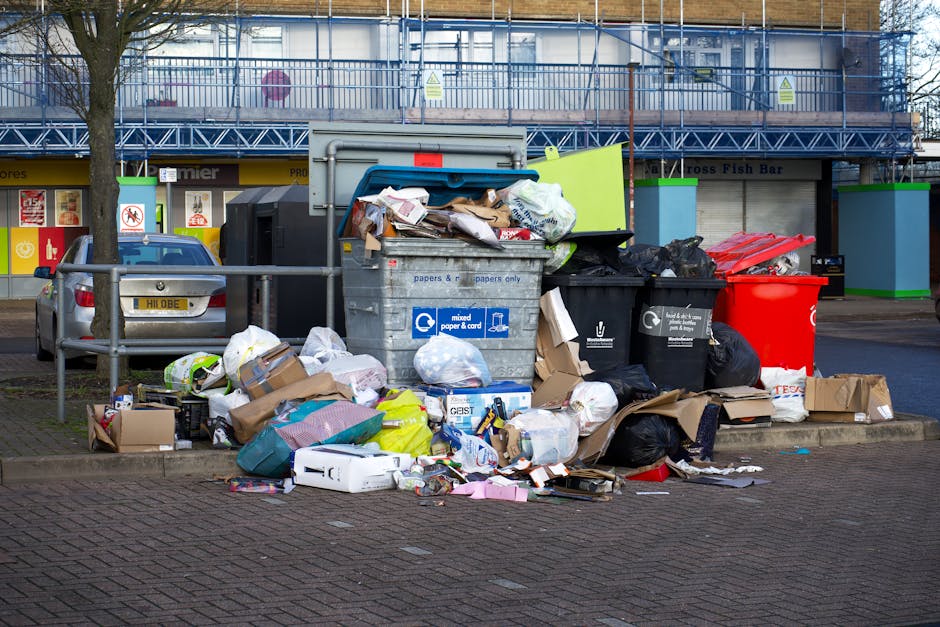
Why Melbury Road bulky rubbish collection tips and costs Matters
Bulky rubbish is not the same as an ordinary bin bag or a weekly collection item. A broken chest of drawers, a stained mattress, or a stack of renovation debris needs more thought, more space, and usually a different disposal route. On streets like Melbury Road, where access, parking, and timing can all matter, a little advance planning makes a real difference.
Getting it wrong can create avoidable costs. You may end up paying for extra labour, extra waiting time, or a second visit if the load wasn't ready. And if items are left out badly, they can become an eyesore or a nuisance to neighbours. Nobody wants that. Not at 8am, not ever.
There's also a practical benefit: when you sort items properly, you open up better reuse and recycling options. That can reduce disposal fees and keep usable material out of landfill. For many households, the real question is not just "How do I get rid of this?" but "How do I get rid of it sensibly, safely, and at a fair price?"
If you're also planning a wider clear-out, it may help to explore the broader rubbish clearance services overview first, especially if your bulky waste is part of a bigger household or renovation project.
How Melbury Road bulky rubbish collection tips and costs Works
In simple terms, bulky rubbish collection usually follows three stages: assessment, removal, and disposal. The exact process depends on the provider, the type of waste, and how much needs to go. A quote is typically based on volume, weight, labour, and access conditions. That last one is easy to overlook, but it matters. A first-floor flat with tight stairs is not the same as ground-floor access with a clear frontage.
Most services will ask what you need removed, where the items are located, and whether anything is especially awkward, heavy, or hazardous. A mattress, for example, is easy to describe. A dismantled wardrobe, a sofa with a metal frame, and a broken washing machine are all different from a disposal perspective.
For larger household jobs, a service such as domestic waste collection in Holland Park can be more suitable than trying to manage everything yourself. If the load includes furniture, you may also want to look at furniture removal in Holland Park because that often fits the way bulky items are priced and handled.
Some jobs are straightforward and can be done in one visit. Others need more care. A few minutes' phone call or quote request often saves the kind of back-and-forth that makes everyone sigh into their tea.
Key Benefits and Practical Advantages
There's a reason so many people choose a professional bulky waste service rather than trying to piece everything together themselves. It is usually faster, cleaner, and less physically demanding. But the real benefits go beyond convenience.
- Less lifting and strain: heavy items are removed by people used to handling awkward loads.
- Cleaner property: rubbish doesn't sit in the hallway, garden, or front area for days.
- Better cost control: clear pricing is easier to compare when the waste is described properly.
- Improved recycling potential: mixed loads can often be sorted better when collected by a compliant carrier.
- Less disruption: one scheduled collection beats several trips to a disposal site, especially in busy London traffic.
There's another advantage that is easy to underestimate: peace of mind. You know where the waste is going, who is taking it, and roughly what the final bill will look like. That matters when you're trying to juggle work, family, tradespeople, or a move.
For residents interested in environmentally better disposal, the company's recycling and sustainability approach is worth reviewing alongside your collection plan. It helps set expectations about sorting, re-use, and responsible disposal.
Who This Is For and When It Makes Sense
Bulky rubbish collection is not only for people doing a full clear-out. It suits a lot of everyday situations, and some of them are a bit more ordinary than you might expect. A sofa delivery that left the old one stranded. A child's bedroom update. A tidy-up after a tenant move. A dead appliance at the worst possible moment. Life, basically.
This kind of service makes sense if you have:
- large household items too awkward for the bin
- multiple pieces of furniture to remove together
- white goods or appliances that need careful handling
- mixed domestic rubbish from a clear-out
- light builder's waste after small works
- garden waste from seasonal maintenance
For example, if you are replacing appliances, a dedicated white goods and appliance disposal service is often a smarter fit than treating the item as generic junk. Likewise, if the job has grown into a room-by-room declutter, a house clearance in Holland Park may be the calmer option.
To be fair, not every item needs a specialist service. But once you have bulky, heavy, or mixed waste, that's usually the point where planning starts to pay off.
Step-by-Step Guidance
Here's a practical way to approach a bulky rubbish collection without overcomplicating it.
- List everything to be removed. Include size, quantity, and item type. One sofa is not the same as two sofas and a coffee table.
- Check for special items. Appliances, mattresses, paint tins, and anything with wiring can change the quote or disposal method.
- Take a few photos. Clear photos help a provider judge volume and access more accurately.
- Separate reusable items. If something can be donated or reused, keep it out of the waste pile if practical.
- Clear access routes. Move shoes, bikes, planters, and loose clutter so the team can work safely.
- Ask about pricing. Confirm whether the quote is based on load size, item count, labour, or access conditions.
- Confirm timing. Make sure the collection window works for you and your neighbours.
- Keep paperwork or confirmation. A written quote and clear service terms help avoid misunderstandings later.
If the work is tied to a bigger project, such as renovation or commercial refurbishment, a service like builders waste removal in Holland Park may be the more appropriate route. That distinction matters because construction waste is often priced and managed differently from domestic bulky waste.
One small but useful tip: if you can dismantle an item safely beforehand, you may reduce labour time and make the load easier to handle. Just don't force it if the piece is fragile or the screws have become part of the furniture's emotional identity.
Expert Tips for Better Results
A few practical habits can make bulky rubbish collection smoother and often cheaper. These are the things that tend to separate a tidy, efficient collection from a slightly chaotic one.
1. Group similar items together
Keep furniture with furniture, appliance items with appliance items, and garden debris separate if possible. Mixed loads are still fine, but clear grouping helps a provider estimate accurately and sort more efficiently.
2. Measure the awkward pieces
Long wardrobes, headboards, or oversized mirrors can catch people out. A quick measurement can prevent the classic "it looked smaller in the room" problem. That one is always expensive in hindsight.
3. Be honest about access
Stairs, narrow halls, basement levels, permit zones, and difficult parking all affect how a collection is planned. If access is awkward, say so up front. It helps avoid surprise adjustments later.
4. Prioritise items by urgency
If the goal is to reclaim one room quickly, tell the provider the priority. The team may be able to remove the most disruptive items first, which is useful during moves or busy refurbishments.
5. Ask what happens after collection
Some customers want simple removal. Others care deeply about reuse and recycling. If that matters to you, ask how items are sorted and where possible recyclable materials go. That conversation is completely normal.
For added confidence, it is worth choosing a provider that can speak clearly about compliance and handling standards. Their waste carrier licence and compliance page should make that easier to check.
Common Mistakes to Avoid
A lot of people only think about price at the point of booking, but the real cost surprises often come from avoidable mistakes. Here are the common ones.
- Leaving the quote vague: "some old stuff" is not a useful description.
- Underestimating volume: one extra mattress or cabinet can change the load significantly.
- Forgetting access issues: poor parking or tight stairs can slow everything down.
- Mixing in restricted items: items requiring special handling should be identified before the visit.
- Waiting until the last minute: rushed booking can mean fewer options and less flexibility.
- Assuming all collections are the same: domestic, builders, furniture, and appliance services are not identical.
A small but annoying mistake is not asking whether the quote includes labour to remove items from inside the property. Sometimes it does, sometimes it depends on the provider and the job. Ask. Seriously, ask.
If you're comparing providers, a clear pricing and quotes guide can help you understand what should be included in a fair estimate and where hidden extras usually creep in.
Tools, Resources and Recommendations
You do not need fancy equipment to prepare for bulky waste collection, but a few simple tools make life easier. Think practical, not dramatic.
- Measuring tape: useful for checking whether an item can be carried through corridors or doorways.
- Phone camera: helps with quote accuracy and record-keeping.
- Labels or tape: handy if you're separating "keep", "donate", and "remove".
- Gloves: a good idea when handling dusty, sharp, or splintered items.
- Clear route planning: doors propped open, trip hazards removed, and parking considered in advance.
For broader background on the area and how residents tend to approach local services, the following pages may be useful: about the company, services overview, and the insurance and safety information page if you want reassurance around handling and public liability practices.
If you are clearing the home more widely rather than just one or two bulky items, the domestic waste collection page is a helpful next stop. It can give you a clearer sense of how mixed household waste is usually managed.
Law, Compliance, Standards, or Best Practice
Bulky rubbish collection is not just about getting things out of the way. In the UK, waste must be handled responsibly, and customers should be careful about who collects it. You do not need to become a compliance expert, but a few basics matter.
First, use a waste carrier who can explain how waste is transported and where it goes. That reduces the risk of fly-tipping or poor disposal practices. Second, if a collection includes electrical items, sharp materials, or heavier waste, ask how these are handled safely. Third, if you are disposing of items with personal data or confidential materials mixed in, separate those before collection. Old paperwork has a habit of turning up in the wrong bag at the worst time.
Best practice also includes clear pricing, transparent communication, and safe lifting procedures. If a provider is vague about what is covered, ask for clarification. A reliable operator should be able to explain the difference between a domestic bulky collection, a furniture removal, and a builders waste job without turning it into a mystery.
For residents who care about responsible handling, the company's page on recycling and sustainability helps show how waste reduction and sorting are approached in practical terms.
Options, Methods, or Comparison Table
There are usually several ways to deal with bulky waste. The right one depends on how much you have, what it is, and how quickly you need it gone.
| Option | Best for | Pros | Things to watch |
|---|---|---|---|
| Professional bulky rubbish collection | Single items, mixed household waste, awkward furniture | Convenient, fast, less lifting, often sorted for recycling | Price depends on volume, access, and item type |
| Furniture-specific removal | Sofas, tables, wardrobes, beds | Good for large pieces and clear pricing | May not suit mixed waste or renovation debris |
| Appliance disposal | Fridges, washing machines, cookers | Proper handling of heavy or electrical items | Some appliances need special preparation |
| House clearance | Whole-property clear-outs or probate-style clearances | Efficient for large volumes | Can be more involved than a simple bulky collection |
| Builders waste removal | DIY, renovation, or trade waste | Useful for rubble, timber, packaging, and offcuts | Not ideal for ordinary household furniture |
As a rough practical rule, the more mixed and bulky your waste is, the more valuable a tailored service becomes. If the job is mostly one type of item, a specialist option can be simpler and sometimes better value. If you have a bit of everything, a broader collection service may save time and reduce the back-and-forth.
Case Study or Real-World Example
Picture a fairly typical Melbury Road scenario. A household has replaced a sofa, removed an old mattress, and decided to clear out a damaged bookcase and a small pile of broken shelving from a spare room. Nothing dramatic, just one of those "we'll finally deal with this" weekends.
At first glance, the items seem manageable individually. But once they're all together, the volume becomes less obvious. The sofa needs two people and awkward manoeuvring. The bookcase is light but bulky. The mattress is easy to identify, but awkward to carry without wrapping. And if the hallway is tight, every piece takes longer to move than expected.
In a case like this, the smartest route is to list the items clearly, take photos, mention the access route, and ask whether the job can be handled as a mixed domestic load. That way the quote reflects the real work rather than a guess. If the customer also wants to remove a fridge at the same time, the job may shift into appliance disposal territory, which is useful to know before collection day.
The difference between a smooth collection and a frustrating one often comes down to preparation. In this example, spending ten minutes sorting items and clearing access could easily save an hour of faffing on the day. Small effort, decent payoff.
Practical Checklist
Use this quick checklist before booking your collection.
- List every bulky item that needs to go
- Separate furniture, appliances, and general waste where possible
- Measure especially large or awkward pieces
- Photograph the load and access points
- Check whether stairs, parking, or narrow entrances could affect the job
- Ask for a clear quote and confirm what is included
- Confirm whether any items need special handling
- Clear the route from the items to the exit
- Decide what can be reused, donated, or kept
- Keep the booking confirmation and any written terms
Expert summary: The best bulky rubbish collection is not the cheapest quote on paper; it is the one that matches your load accurately, handles access properly, and disposes of the waste responsibly. That is where real value lives.
Conclusion
Dealing with bulky waste on Melbury Road does not need to be complicated. Once you know how collection works, what affects the cost, and how to prepare the load, the whole process becomes much more manageable. A clear list, a few photos, honest access details, and the right type of service will usually get you a better outcome than rushing into the first available option.
The key is to think in practical terms. What is the item? How awkward is it? Can it be reused? Does it need special handling? And is the quote actually covering the full job? Ask those questions upfront and you will avoid most of the usual headaches. Simple, really.
If you're still weighing up your options, take a moment to compare the service fit, not just the headline price. The right collection will save time, reduce stress, and leave your space feeling properly clear rather than half-sorted. And that fresh, empty-room feeling? Surprisingly satisfying, even on an ordinary weekday afternoon.
Get a free quote today and see how much you can save.