Small business rubbish contracts for Holland Park shops and cafes
Posted on 10/09/2026
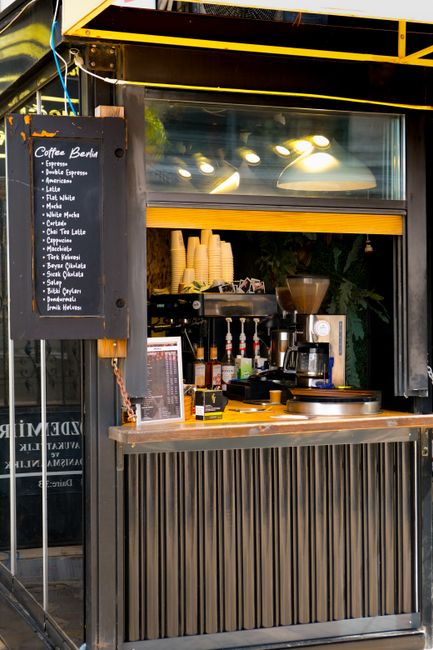
If you run a shop, cafe, deli, salon, or small studio in Holland Park, waste tends to arrive in awkward little waves. A box of packaging in the morning, food prep offcuts by lunch, a burst of customer traffic by 3pm, then suddenly the back room is full again. Small business rubbish contracts for Holland Park shops and cafes are really about making that mess predictable, legal, and easy to live with.
The right contract can save time, reduce stress, and stop the classic last-minute scramble outside closing time. It also helps you stay tidy for customers, keep staff safe, and avoid the annoying hidden costs that crop up when rubbish is handled on the fly. In a place like Holland Park, where presentation matters and space can be tight, that matters more than people think.
This guide breaks down how these contracts work, what to look for, where businesses go wrong, and how to choose a setup that fits a real-world shop or cafe routine rather than an ideal one. No fluff. Just the practical stuff you can actually use.
Why Small business rubbish contracts for Holland Park shops and cafes Matters
A rubbish contract is more than a collection arrangement. It is a working part of your business operations. For a cafe, that might mean reliable removal of cardboard, glass, food waste, packaging, and the odd broken chair. For a shop, it might be display packaging, stock wrap, office waste, and occasional bulky items after a refit or delivery-heavy week. Without a proper arrangement, waste piles up in bins, yard space, or the one corner staff swear they will sort later. We all know how that story goes.
In Holland Park, where many premises operate in compact layouts and customer-facing streets, waste management has a direct impact on appearance, hygiene, and working rhythm. A tidy frontage says a lot. So does a back-of-house area that is not constantly overflowing. For businesses that depend on regular footfall, even a small mess can feel bigger than it is.
There is also the question of consistency. A one-off clearance might solve today's problem, but recurring waste needs a predictable process. A contract brings structure to that process, whether you need scheduled collections, ad hoc uplift, or a mix of both. If your premises have seasonal spikes, early deliveries, or evening service, that structure becomes very useful very quickly.
Expert summary: The best rubbish contract for a small Holland Park business is usually the one that matches your actual waste pattern, collection access, and staffing reality - not the one that looks cheapest on paper.
For broader context on how local services are structured, it can help to look at the site's services overview and the company's approach to commercial waste removal in Holland Park.
How Small business rubbish contracts for Holland Park shops and cafes Works
At its simplest, a rubbish contract sets out what waste is collected, how often it is removed, what it costs, and who is responsible for access and presentation. That sounds straightforward. In practice, the details matter.
Most small business contracts begin with a waste profile. This is a plain-English way of saying: what do you throw away, how much of it is there, how quickly does it build up, and where do you keep it before collection? A cafe may need separate handling for general waste, recyclables, and food-related waste. A shop may mostly need cardboard and mixed packaging removed regularly, with occasional bulky clearances during stock changes.
Once the profile is clear, the supplier can suggest a collection pattern. Some businesses need early-morning pickup before trading starts. Others need evening collection once customers have gone and staff can safely move bags out. The key is not just frequency, but practicality. A contract that requires your team to move waste at a bad time quickly becomes a nuisance.
There are usually three broad ways the arrangement is structured:
- Scheduled collections: regular visits on set days and times.
- On-demand collections: you call when the waste builds up faster than expected.
- Mixed arrangements: scheduled removal for routine waste plus one-off clearances for unusual peaks.
Then come the operational details. Where can the waste be placed? Are bags bagged, sealed, and stacked neatly? Is there a rear entrance, front kerbside access, or limited loading window? Do staff need help with lifting? These little things can make the difference between a smooth visit and a chaotic one. And yes, a chaotic ten minutes is still a chaotic ten minutes, especially when customers are waiting for coffee.
If you are comparing contract-based service with more ad hoc removals, the article on skip hire versus rubbish removal in W8 is a useful companion read. It helps frame the decision in a way that makes sense for smaller premises.
Key Benefits and Practical Advantages
The main benefit of a rubbish contract is control. Instead of reacting to overflowing bins, you are planning waste away before it becomes a problem. For busy shops and cafes, that can be the difference between a smooth service and a messy back office on a Monday morning.
Here are the benefits that tend to matter most in real life:
- Cleaner customer areas: less clutter around entrances, side alleys, and rear storage spaces.
- Better staff workflow: teams spend less time shuffling waste around or worrying about where it all goes.
- More predictable costs: you are less exposed to emergency removals and last-minute overflows.
- Improved compliance: a proper business waste arrangement helps you stay organised and document what is being removed.
- Less disruption: planned collections fit around opening hours and delivery schedules.
- Better recycling behaviour: regular systems make it easier to separate cardboard, glass, and other recyclable streams.
There is a quieter benefit too: morale. Staff notice when a workplace stays under control. It is easier to keep a kitchen, stockroom, or service area calm when there is a reliable waste routine in place. It sounds small, but over a month it really adds up.
For businesses that want to make the most of a tidy operation, it is worth looking at recycling and sustainability alongside the contract itself. Better segregation usually means less waste, and less waste usually means fewer headaches. Simple, but true.
Who This Is For and When It Makes Sense
These contracts are a strong fit for small premises that produce waste regularly rather than occasionally. That includes cafes with daily food and packaging waste, shops with frequent stock deliveries, salons with consumables and packaging, and small hospitality venues that need end-of-day clearance. If your bins fill up before the next council or domestic-style collection, a business waste contract starts to make sense very quickly.
It also makes sense when your waste is mixed. A lot of small businesses generate more than one stream: cardboard, soft plastics, glass, general waste, food waste, and the occasional bulky item. Trying to manage all of that through improvised disposal tends to become messy. Not dramatic, just messy. And messy turns into costly.
You may especially benefit if:
- your shopfront must stay presentable at all times;
- you have limited back-of-house space;
- you receive regular deliveries in large packaging;
- your opening hours make collection timing tricky;
- you want a clearer paper trail for waste handling;
- you occasionally need urgent uplift after a delivery rush or refit.
Some businesses do not need a standing contract all year. A small cafe may need more support during the holiday period, or a shop might only need recurring removal during seasonal stock rotations. That is where flexible arrangements can be useful. If you are dealing with a one-off clearance or a refit, the more specialised builders waste removal in Holland Park page is relevant too, especially if the work involved fixtures, shelves, or light construction debris.
For a broader sense of the local area and its mixed business-residential character, some readers also like this look at Holland Park as a neighbourhood. It is not about waste directly, but it gives useful context on why local logistics can be a bit more delicate here than in a big retail park.
Step-by-Step Guidance
If you are setting up a rubbish contract for the first time, do it in a practical order. Don't start with price alone. That is where people get tripped up.
- Map your waste: list the types of waste your business creates over a normal week, including peaks.
- Measure the volume: think in bags, boxes, bins, or storage space rather than abstract estimates.
- Identify access points: note where waste is stored, whether collections must be early or late, and any tight stairways or shared alleys.
- Separate routine and occasional waste: daily packaging is one thing; old shelving, broken appliances, or deep-clearance waste is another.
- Request a clear scope: ask what is included, what counts as extra, and how changes are handled.
- Check timing flexibility: if your trade is unpredictable, choose an arrangement that can cope with busy weeks.
- Put it in writing: confirm collection frequency, waste types, access expectations, payment terms, and any exclusions.
- Review after a month: make sure the arrangement still fits the business, because the first version is not always the final version.
A good rule of thumb: if your staff have to "make it work" every single collection day, the contract probably needs adjusting. A proper service should reduce friction, not create another task for the team to wrestle with before opening.
If you are unsure about timing or need an occasional fast-response removal, the page on same-day rubbish clearance near Holland Park Station is a handy reference point for understanding what urgent support can look like.
Expert Tips for Better Results
There are a few small habits that make a big difference. Most of them are boring. Which is usually the sign they work.
Keep waste separated at source. Cardboard in one place, food waste in another, mixed rubbish somewhere else. Once waste gets mashed together, collections become less efficient and recycling becomes harder.
Give collections a fixed place. If staff always know where the waste goes and where it is placed for pickup, you avoid the daily "who moved the bags?" puzzle. It saves time, and frankly, sanity.
Choose collection windows around real operations. If mornings are hectic, do not force a pickup that blocks deliveries. If evenings are stretched, do not make the closing team lift heavy bags after a long shift.
Build in a little spare capacity. A contract that only just fits an average week can become fragile during promotions, rainy periods, or holiday trading. A small buffer is often worth it.
Review supplier responsiveness. If you ever need to add an extra collection, the response speed matters. A helpful account setup is more valuable than a flashy quote.
Ask about recycling routes. Some providers are better at separating recoverable material than others. If sustainability matters to your brand, make it part of the discussion from the start.
And one practical bit of advice from the field: take a quick look at your waste area during the busiest part of the week, not just on a quiet Tuesday. The real test is always when the cafe is full, deliveries are early, and someone has stacked three boxes where one should have been. That is the moment the contract either earns its keep or doesn't.

Common Mistakes to Avoid
Most problems with rubbish contracts are avoidable. Usually they come from rushing the setup or assuming the service will "just know" what the business needs. It rarely does, to be fair.
- Choosing only by price: the cheapest option can become expensive if it misses collections, charges for extras, or does not fit your access needs.
- Underestimating volume: shops and cafes often generate more packaging waste than they first think, especially after deliveries.
- Ignoring peak periods: Christmas trading, promotions, refurbishments, and stock changeovers can all increase waste sharply.
- Not checking access: if waste has to move through a narrow entrance or shared corridor, that needs to be agreed early.
- Mixing business and domestic waste: keep the streams separate so there is no confusion over handling and documentation.
- Letting waste sit too long: this can lead to odours, pests, and an untidy customer impression.
- Not reviewing the contract: a setup that worked in spring may be wrong by winter.
Another classic mistake is treating waste as an afterthought. Small business owners are busy. Of course they are. But waste management works best when it is folded into daily operations instead of being handled reactively. Once it becomes "someone will sort it later," later becomes very busy indeed.
Tools, Resources and Recommendations
You do not need fancy software to run a better waste system, but a few basic tools help a lot. Even a simple notebook or shared spreadsheet can make collections much easier to track.
- Waste log: note collection days, waste volumes, and any recurring issues.
- Staff checklist: a short end-of-day routine so rubbish is bagged and placed correctly.
- Delivery and packaging review: spot which suppliers create the most cardboard or wrap.
- Storage plan: map where waste sits before collection so it does not block working space.
- Photo record: useful when reviewing whether the current collection frequency is enough.
If you want a fuller picture of the company's operating standards, the most relevant background pages are waste carrier licence and compliance, insurance and safety, and pricing and quotes. Those pages help you understand what a trustworthy arrangement should look like before you commit.
You may also find it useful to compare rubbish removal with other local clearance needs. For example, if your business shares space with a flat, office, or storage area, these related pages can be relevant: furniture removal in Holland Park and white goods and appliance disposal in Holland Park. They are not contract guides, but they do help when one-off bulky items appear out of nowhere, as they always do.
Law, Compliance, Standards, or Best Practice
For business waste in the UK, the safest approach is to use a provider that can clearly demonstrate compliance and explain how waste is transferred, handled, and documented. You do not need to become an expert in waste law to run a cafe or shop, but you do need enough understanding to avoid informal or unclear arrangements.
Best practice usually means:
- using a legitimate, traceable waste service;
- keeping clear records of what is removed and when;
- separating business waste from domestic waste;
- making sure staff know where waste should be stored for collection;
- checking that any provider can explain their compliance position in plain English.
If a supplier is vague about licensing, insurance, or what happens to the waste after collection, that is a warning sign. Not necessarily a dramatic one, but enough to slow things down and ask questions. Good providers should be comfortable talking about standards and safety without making it feel like a treasure hunt.
If compliance and ethical practice matter to your brand, the site's modern slavery statement can also be useful background reading. It is a reminder that responsible operations extend beyond the collection van and into the wider supply chain.
For context on neighbourhood-level waste behaviour and local expectations, the article on Kensington and Chelsea council waste rules is a practical companion. It is especially helpful if your premises sit near a boundary between different collection habits or street layouts.
Options, Methods, or Comparison Table
There is no single best model for every shop or cafe. The right choice depends on volume, access, timing, and how often your waste changes from week to week. Here is a simple comparison to make the options easier to weigh up.
| Option | Best for | Strengths | Limitations |
|---|---|---|---|
| Scheduled contract | Businesses with steady daily or weekly waste | Predictable, tidy, easy to plan around | Can feel rigid if waste volume fluctuates a lot |
| On-demand collections | Smaller businesses with uneven waste patterns | Flexible, less commitment upfront | Can be less predictable during busy periods |
| Mixed model | Shops and cafes with routine waste plus occasional spikes | Balanced, adaptable, useful for seasonal trade | Needs clear communication to avoid confusion |
| One-off clearance | Refits, stock changes, or end-of-project cleanouts | Quick solution for unusual waste events | Not ideal for ongoing daily waste |
If your business has a steady back room of packaging and general rubbish, a scheduled contract is usually the cleanest fit. If your waste swings around because of promotions or delivery cycles, a mixed model can be more sensible. And if you are dealing with a refresh, move, or fit-out, a one-off clearance may be all you need for that period.
For a broader sense of cost trade-offs in the area, the page on cheap rubbish removal near Holland Park Road is worth a read. "Cheap" does not always mean best, but the article helps you spot where savings are real and where they are false economy.
Case Study or Real-World Example
A small cafe near the centre of Holland Park, busy from breakfast through mid-afternoon, was having a familiar problem. Cardboard deliveries were arriving daily, the bin store was getting cramped, and staff were spending part of every closing shift squeezing bags into any available corner. There was no crisis. Just that low-level, constant friction that wears people down.
The turning point came after a couple of weeks of overfilled storage and one awkward morning where a delivery had to be shifted twice to make space. Nothing dramatic, but enough. The cafe reviewed its waste pattern and moved from a loose ad hoc setup to a more structured collection arrangement with a clear schedule, specific storage instructions, and a fallback option for unusually busy weeks.
The result was not magical. No trumpet fanfare. But the back area stayed clearer, staff stopped improvising with bags near the door, and the manager could plan deliveries without wondering where everything would go. The biggest improvement was probably mental. Less checking. Less guessing. A little more breathing room.
That kind of change is common in small businesses. It is rarely about one giant problem. More often it is a pile of tiny annoyances that disappear once waste handling becomes organised.
If you want to see how a properly managed clearance can change a space, the page on the Kyoto Garden clearance case study offers a useful before-and-after perspective, even though the setting is different. The underlying principle is the same: clarity, planning, and a clean finish matter.
Practical Checklist
Use this checklist before agreeing any rubbish contract for your Holland Park shop or cafe.
- List all waste types your business produces.
- Estimate how much waste you create in a normal week.
- Note any seasonal spikes or delivery-heavy days.
- Identify where waste is stored before collection.
- Confirm the best collection times for your business hours.
- Ask what is included in the contract and what costs extra.
- Check how missed collections or urgent add-ons are handled.
- Review recycling options for cardboard, glass, and other recoverables.
- Make sure staff know the routine and the collection point.
- Revisit the arrangement after a short trial period.
Quick rule: if the contract only works when everyone remembers a complicated set of steps, it is probably too fiddly. Simpler usually wins.
Conclusion
Small business rubbish contracts for Holland Park shops and cafes are not just about getting rid of waste. They are about making a busy little business easier to run, easier to keep clean, and easier to present well every single day. The best setup is the one that fits your actual trade pattern, access constraints, and staff routine without creating extra drama.
If you take one thing from this guide, let it be this: start with your waste habits, not the quote. A contract built around real operations is far more valuable than a cheap arrangement that causes daily friction. And in a place like Holland Park, where every square metre and every first impression counts, that difference is worth protecting.
When the right system is in place, the whole business feels lighter. Less clutter. Less rushing. Fewer little annoyances hanging around in the background. It is a practical win, but also a calmer way to work. Which, truth be told, is usually what people want most.
Get a free quote today and see how much you can save.