Top licensed rubbish clearance standards for Holland Park traders
Posted on 22/10/2026
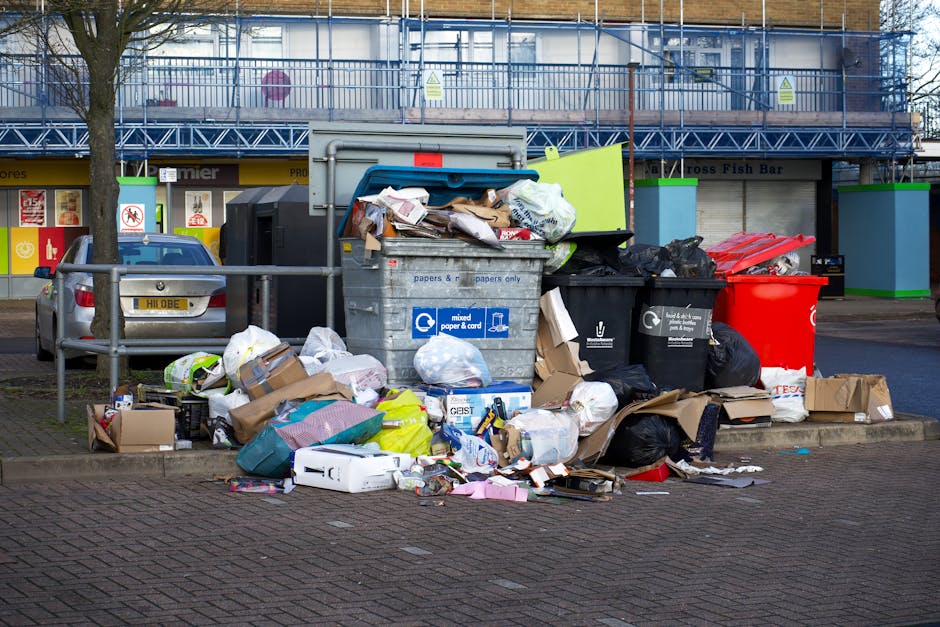
If you run a shop, cafe, gallery, salon, office, or trade counter in Holland Park, rubbish clearance is never just a back-of-house nuisance. It affects your licensing risk, your customers' first impression, your staff's safety, and, frankly, how smoothly your day runs. The Top licensed rubbish clearance standards for Holland Park traders are really about one thing: making sure waste is removed legally, safely, and without creating headaches later on.
That sounds simple enough, but in practice there are a lot of moving parts. Who is allowed to carry the waste? How should it be sorted? What records should you keep? What happens if something sharp, heavy, wet, or confidential is involved? This guide walks through the standards that matter, how licensed clearance should work in real life, and what traders in Holland Park should expect from a reliable provider.
Let's be honest, nobody wants a pile of boxes outside the premises at 8:30 a.m. when the first customer is due in. The good news is that with the right process, rubbish clearance becomes one of those boring-but-brilliant jobs that just disappears into the background. Which is exactly how it should be.
Why Top licensed rubbish clearance standards for Holland Park traders Matters
For traders, waste is not just waste. It is a compliance issue, a safety issue, a neighbour issue, and a brand issue all at once. In a busy London area like Holland Park, where streets can feel tight and footfall changes by the hour, poor rubbish handling becomes visible very quickly. One overloaded sack or a couple of broken boxes on the pavement can make a unit look messy, even if the business itself is excellent.
The main reason licensed standards matter is simple: they help you avoid illegal disposal. If your waste ends up fly-tipped, mixed incorrectly, or carried by someone without the right permissions, the responsibility can come back to you. That's the bit people often miss. Once the waste leaves your premises, it does not magically become someone else's problem.
There is also the practical side. Traders often deal with packaging, display materials, old fixtures, broken stock, catering waste, office waste, or bulky items. If collection is not handled properly, the back room fills up, staff spend time moving clutter around, and customers may notice the mess. That slow creep of disorganisation can affect the whole operation.
Licensed standards also help with trust. A clear, documented clearance process is a small sign of a well-run business. For landlords, managing agents, and neighbouring occupiers, that matters. For you, it means fewer surprises and a more predictable schedule. And to be fair, predictability is gold when you are already juggling suppliers, opening hours, and customers who need things yesterday.
How Top licensed rubbish clearance standards for Holland Park traders Works
A proper licensed rubbish clearance service should follow a straightforward chain: assess the waste, classify it, load it safely, transport it lawfully, and dispose of or recycle it at an appropriate facility. The details matter, though, because each step protects you from avoidable problems.
Here is how it usually works in practice:
- Initial assessment: The provider looks at the type and amount of waste, access restrictions, timing, and any hazards such as glass, sharp metal, heavy items, or confidential materials.
- Pricing and scope: You should receive a clear explanation of what is included, how labour is charged, and whether loading, sorting, or lifting is covered.
- Collection planning: Good operators plan around shop opening hours, narrow access, parking limits, and busy trading periods. In Holland Park, timing can make a big difference.
- Safe removal: Waste should be moved carefully, without blocking shared access routes or leaving debris behind. Little things count here. A clean sweep at the end is not a luxury.
- Licensed transport: The carrier should be authorised to move controlled waste and able to explain where it goes. If they cannot say this clearly, that is a red flag.
- Proper sorting and disposal: Recyclables, reusable items, general waste, and special waste streams should be handled appropriately.
- Records and proof: Traders should keep invoices, collection notes, and any available documentation that shows the waste was passed to a legitimate carrier.
A useful way to think about it is this: the best rubbish clearance is almost invisible. No drama, no mystery, no lingering mess. You book it, it happens, and your premises feel lighter afterwards. Simple on paper, a bit more nuanced in real life.
If your business needs broader support with recurring commercial waste, a page like commercial waste removal in Holland Park can help you see how ongoing collections are typically organised.
Key Benefits and Practical Advantages
Choosing a licensed, standards-led clearance service gives traders more than just an empty bin store. It supports the daily rhythm of the business. That may sound a bit grand for rubbish, but it's true.
- Lower compliance risk: Proper licensing and documentation reduce the chance of being linked to unlawful disposal.
- Better site presentation: Clean frontages, tidy yard areas, and uncluttered storage spaces help your business look professional.
- Safer working conditions: Less loose waste means fewer trip hazards, fewer cuts, and fewer awkward manoeuvres in tight spaces.
- More efficient operations: Staff can work without stepping around boxes, pallets, packaging, or broken items.
- Improved recycling outcomes: Good operators separate materials where possible instead of sending everything into one mixed load.
- Better neighbour relations: In busy mixed-use streets, keeping waste under control makes life easier for everyone around you.
There is another advantage that gets overlooked: peace of mind. If you've ever had to deal with a rush collection the morning before opening, you will know the feeling. There is a small, ridiculous joy in seeing the van arrive on time and the last bag disappear. Then the day can actually start.
Who This Is For and When It Makes Sense
These standards matter to any Holland Park trader generating regular or occasional waste, but they become especially relevant when the waste is bulky, mixed, time-sensitive, or awkward to move.
Typical users include:
- Retail shops dealing with packaging, display materials, and end-of-line stock.
- Cafes and food businesses with daily waste, cartons, containers, and back-of-house clutter.
- Offices and professional practices clearing old furniture, paper waste, and stored equipment.
- Salons and studios replacing fixtures, chairs, or shelving.
- Landlords and managing agents overseeing tenant voids or post-fit-out clearances.
- Trades and fit-out teams needing reliable removal during refurbishment or maintenance work.
It makes sense to prioritise licensed clearance when your waste is too much for ordinary bins, when you need a one-off clearance after a refit, or when timing is tight. It also makes sense when you want a documented trail. If a landlord, compliance officer, or building manager asks what happened to the waste, you should be able to explain it calmly and clearly.
There is a distinction here between occasional uplift and ongoing waste management. Some traders only need a single clearance after a big delivery or refurbishment. Others need a standing arrangement. Both are valid. The right setup depends on volume, frequency, and how much storage space you have on site. That's the real question, isn't it?
Step-by-Step Guidance
If you want to apply top licensed rubbish clearance standards properly, follow a simple step-by-step process. It keeps decisions grounded and avoids last-minute guesswork.
1. Identify the waste stream
Start by separating the waste into broad groups: general waste, recyclable packaging, bulky items, metal, timber, electrical items, and any special waste. You do not need to overcomplicate it. Even a rough split makes a difference.
2. Check access and timing
In Holland Park, access can be the difference between an easy job and a messy one. Think about loading space, stairs, narrow doorways, nearby parking, and the time of day. Early morning collections often work well for trading premises because they minimise disruption.
3. Ask for licence and insurance details
A trustworthy provider should be able to confirm they are licensed to carry waste and insured for the work they do. That does not need to be a theatrical sales pitch; it should be a straightforward answer. If they get vague, move on.
4. Confirm what happens to the waste
Ask where the waste goes, how it is handled, and whether recyclable material is separated. You are not asking for a novel. You are just making sure the process is legitimate.
5. Agree the scope in writing
Make sure the quote covers labour, loading, disposal, and any extra charges for difficult access or special materials. Surprises after the job are never fun, and in this context they are usually unnecessary.
6. Prepare the site
Stack items safely, keep walkways clear, and move fragile stock out of the way. If confidential paperwork or sensitive items are involved, isolate them first. A bit of preparation saves time on the day.
7. Keep records
Save the invoice, booking confirmation, and any paperwork supplied by the carrier. If you are a trader with regular compliance reviews, this small habit pays off quietly in the background.
For traders who need to compare service levels and what is included, the services overview page can be a useful place to understand the wider range of clearance options available.
Expert Tips for Better Results
From experience, the best rubbish clearances are the ones that are planned just enough to stay calm. Not overplanned. Just enough. Here are the practical habits that make the biggest difference.
- Book before the pile becomes a problem: Once waste starts blocking access, the job becomes harder and more expensive to handle.
- Separate materials early: Cardboard, wood, metal, and mixed waste are easier to deal with if they are not all shoved into one awkward heap.
- Use clear labels for staff: If your team knows what goes where, they will make fewer disposal mistakes.
- Plan around deliveries: Do not schedule clearance in a way that clashes with stock drops or customer peaks.
- Think about lifting risks: Heavy items should be moved by people with the right equipment and technique, not improvised muscle alone.
- Keep a simple waste log: Date, item type, collection company, and paperwork reference. Plain and useful.
One small but important tip: if your waste tends to include mixed packaging after deliveries, make a habit of flattening boxes immediately. It sounds tiny. It is tiny. But over a week it can save a surprising amount of space and a surprising amount of irritation.
And yes, occasionally the best operational improvement is simply not letting the storage room become a cardboard cave. We have all seen one of those.

Common Mistakes to Avoid
Most rubbish clearance problems come from a handful of avoidable mistakes. The good news is that they are easy to spot once you know what to look for.
- Using an unlicensed carrier: This is the biggest risk. If they cannot prove they are authorised, do not hand over your waste.
- Assuming all waste is the same: Mixed waste may be fine in some cases, but special items need specific handling.
- Leaving the quote vague: "We'll sort it on the day" is not a plan. It is a shrug with wheels.
- Not preparing access: A blocked doorway or narrow corridor can slow the job and create avoidable damage.
- Ignoring recycling opportunities: Recyclable material should not be treated like general rubbish by default.
- Forgetting paperwork: No records means no easy proof. That's fine until someone asks.
Another common mistake is delaying clearance until the space feels impossible to manage. By then, the job is usually less efficient, and staff may already be working around clutter. It creeps up on you. One day it is just "a few boxes," and the next the back room looks like an overfull storage unit after a busy season.
Tools, Resources and Recommendations
You do not need a fancy system to run a compliant waste setup. A few simple tools and habits go a long way.
- Waste labels: Helpful for separating cardboard, general waste, reusable items, and anything that needs special handling.
- Mobile photos: A quick picture before collection can help with record-keeping and quoting.
- Basic inventory notes: Useful when clearing old stock, fixtures, or office items.
- Collection calendar: Keeps recurring waste dates visible to the whole team.
- Internal sign-off sheet: Handy if different staff members are responsible for approving collections.
For traders who want to understand how pricing is usually structured, the pricing and quotes page is a sensible next step. It helps you think through what affects cost without making assumptions too early.
If you are dealing with items that are heavy, awkward, or safety-sensitive, it is also worth reviewing insurance and safety information before you confirm any clearance. That applies especially when staff, customers, or shared building areas are involved.
And if sustainability matters to your business image - as it often does in Holland Park - you may also want to look at recycling and sustainability practices. Customers do notice these things, even if they only notice them in passing. A clean, thoughtful waste routine quietly says a lot.
Law, Compliance, Standards, or Best Practice
This is the section people sometimes skim, but it is the bit that keeps everything grounded. In the UK, commercial waste should be handled by lawful, responsible operators, and traders have a duty to make sensible choices about who removes their waste and where it goes. The exact obligations can vary depending on the type of waste, how much there is, and what business you run, so it is wise to treat compliance as a process rather than a tick-box.
At a practical level, the standards you should expect include:
- Legal carriage: The waste carrier should be authorised to transport waste.
- Safe handling: Items should be moved without creating avoidable injury risk or damage.
- Appropriate segregation: Recyclables, general waste, and special items should be separated where sensible.
- Documented collection: You should be able to show who collected the waste and when.
- Responsible disposal route: Waste should go to suitable facilities, not disappear into a mystery route nobody can explain.
For Holland Park traders, best practice also includes being considerate about timing, noise, pavement obstruction, and shared access. In a mixed residential-commercial area, that is not just courteous; it is smart business.
The page on waste carrier licence and compliance is especially relevant if you want a plain-English reminder of why licensing matters and what a responsible clearance setup should look like.
If you have ever wondered whether a casual "mate with a van" is enough, the short answer is: not if you care about traceability, safety, or reputational risk. There is nothing glamorous about getting it wrong. It just becomes expensive and annoying later.
Options, Methods, or Comparison Table
Traders usually choose between a few common approaches. The right one depends on frequency, volume, and how much control you want over the process.
| Method | Best for | Advantages | Watch-outs |
|---|---|---|---|
| One-off licensed clearance | Refits, clear-outs, occasional bulky waste | Simple to arrange, little long-term commitment | Can be less efficient if used repeatedly |
| Scheduled commercial collections | Shops, cafes, and businesses with regular waste | Predictable, tidy, easier to manage over time | Needs routine monitoring and space for storage |
| Mixed ad hoc clearance | Irregular waste surges | Flexible and quick | Easy to lose track of compliance and cost |
| Specialist item removal | Furniture, appliances, fixtures, or awkward items | Safer for heavy or bulky goods | May need more detailed planning |
For example, if a cafe near Holland Park is replacing seating and clearing old display units, a specialist bulky item service may be more suitable than a generic waste pickup. If a shop is dealing with packaging every week, a recurring commercial arrangement will usually be cleaner and easier to manage.
The right method is the one that fits the actual waste pattern, not the one that looks cheapest on paper for five minutes. That little bit of discipline saves hassle later.
Case Study or Real-World Example
Here is a realistic scenario. A small independent retailer in Holland Park is refreshing its interior after a seasonal change. Old display boards, cardboard, packaging, and a couple of damaged storage units need to go. The premises open early, footfall is steady, and the back entrance is narrow. On top of that, the team has limited spare time and does not want the clearance turning into a two-day disruption.
What works best in a case like this is a planned, licensed clearance with a clear scope. The waste is sorted in advance into cardboard, reusable packing, and bulky items. The team books a morning slot before the shop gets busy. Access is checked first. The provider arrives, loads safely, and leaves the area tidy. No extra drama. No half-finished pile sitting there all afternoon.
That example might sound ordinary, and that is the point. Good rubbish clearance should be ordinary. It should not dominate the day. It should just work, quietly and properly.
In some situations, a business will need a more targeted approach. A trader with furniture to remove might look at furniture removal in Holland Park, while a unit with appliance waste may need white goods and appliance disposal. Matching the method to the item type makes the whole job smoother.
And if you are dealing with a larger commercial refresh, the broader builders waste removal in Holland Park service can be relevant too, especially where fit-out debris and packaging are mixed together.

Practical Checklist
Use this quick checklist before booking or approving a clearance job.
- Have you identified the type of waste clearly?
- Do you know whether any items need special handling?
- Has the carrier confirmed they are licensed to remove waste?
- Is the collection timing suitable for your trading hours?
- Have you checked access, parking, and loading restrictions?
- Is the quote clear about labour, disposal, and any extras?
- Do you know whether recyclable materials will be separated?
- Have you removed confidential or sensitive items first?
- Will the team leave the area clean after collection?
- Are you keeping a record of the job for compliance purposes?
Expert summary: if the provider is licensed, transparent, insured, and clear about the route the waste takes, you are already most of the way there. The rest is good planning and a bit of common sense. Not glamorous, but very effective.
Conclusion
The Top licensed rubbish clearance standards for Holland Park traders are not complicated, but they are worth taking seriously. The best approach is licensed, documented, safe, and suited to the realities of your premises. That means clear pricing, careful handling, sensible scheduling, and proper disposal or recycling rather than guesswork.
For traders, the real value is not just keeping the premises clear. It is the confidence that comes from knowing your waste is handled properly, your team is safer, and your business presents well to customers, neighbours, and building managers. Once you have a good process in place, it becomes one less thing to worry about. And honestly, that is a lovely thing in a busy workday.
For more about the business behind the service, you can also read the about us page, which helps set expectations around how the team approaches clearance and customer care.
Get a free quote today and see how much you can save.
When rubbish is handled well, the whole place feels calmer. That may be a small thing on paper, but in a busy part of London, small things matter a lot.